
When Is a Trust Administrator (Trustee) Needed?
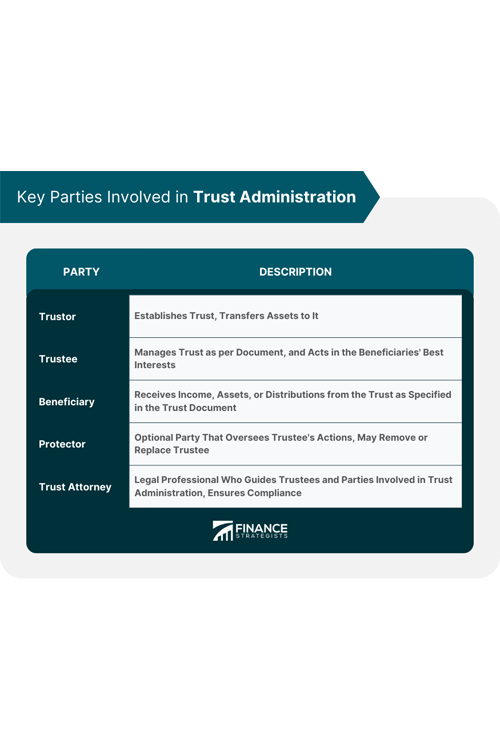
When the settlor of a trust passes away:
Upon the death of the trust’s creator (settlor) or when the settlor becomes incapacitated, the trust administration process begins. The successor trustee takes over the management and distribution of the trust assets according to the terms specified in the trust document.
When a beneficiary becomes entitled to receive trust assets:
Trust administration may be necessary when a beneficiary reaches a certain age or fulfills specific conditions specified in the trust. The trustee is responsible for distributing assets to the beneficiaries under the trust’s instructions.
When a dispute arises regarding the trust:
If there is a disagreement or dispute among the beneficiaries or between the beneficiaries and the trustee, trust administration may be required to resolve the issue. This can involve mediation, arbitration, or legal proceedings
When a trust becomes irrevocable:
Some trusts are set up to become irrevocable upon a specific event, such as the incapacitation or death of the settlor. At that point, the trustee must begin trust administration and carry out the trust’s provisions.
Expertise in Trust Administration:
Trust administration can be complex, involving various financial, legal, and administrative tasks. Professional fiduciaries specialize in trust administration and possess the knowledge and experience to handle these complexities efficiently. They can navigate intricate tax laws, investment strategies, accounting procedures, and beneficiary distributions with expertise.
Continuity and Stability:
Trust administration services ensure continuity and stability in the management of assets, even in the event of incapacity or death of the trust creator. A professional fiduciary can step in and seamlessly continue the administration of the trust, providing peace of mind to the trust creator and beneficiaries.